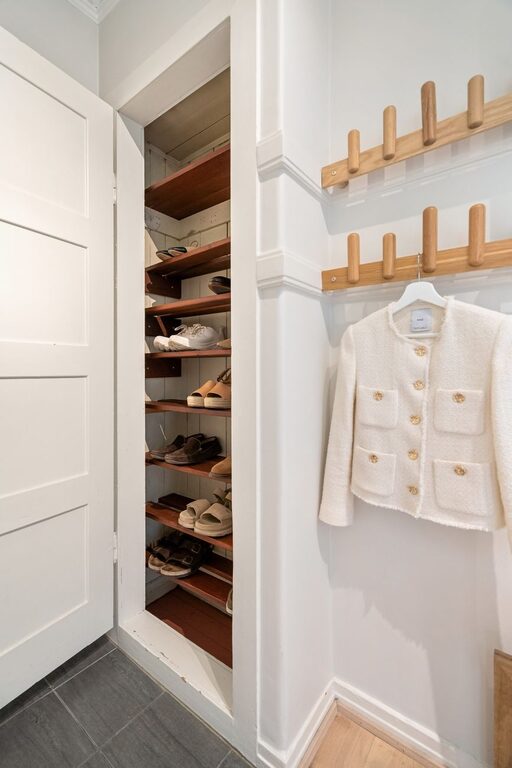
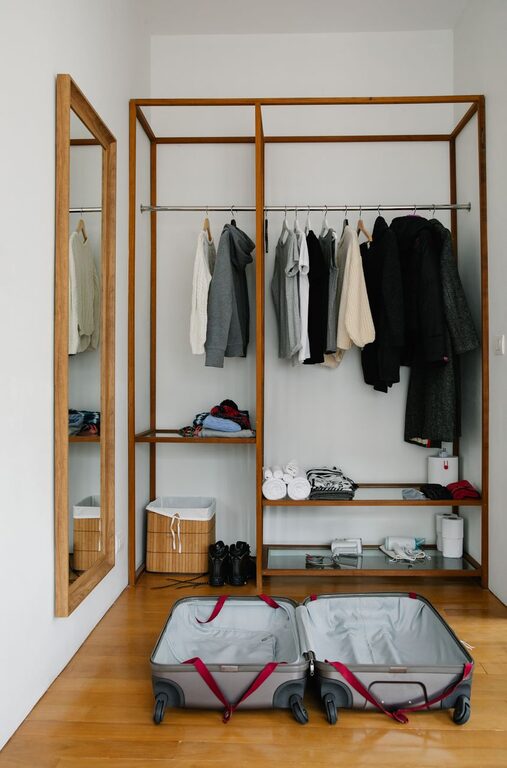
Storing seasonal clothes efficiently can save you time, space, and frustration. Whether you’re putting away winter coats for the summer or packing up swimwear for the colder months, having a system in place helps keep your wardrobe organized and your clothes in great condition. In this post, we’ll explore practical tips and strategies that make storing your seasonal clothes easy and effective.
Why Proper Seasonal Storage Matters
When clothes are stored incorrectly, they can become wrinkled, damaged, or develop unpleasant odors. Efficient storage also helps you maximize closet or storage space, making it easier to access the clothes you need without digging through piles.
Steps to Prepare Clothes for Seasonal Storage
Before storing clothes, preparation is key. Follow these simple steps to ensure your garments stay fresh and ready to wear when you take them out again.
1. Clean Everything First
Make sure all clothes are clean before storage. Dirt, oils, and stains can attract pests and cause fabrics to degrade over time. Wash or dry clean your clothes according to their care labels.
2. Repair Damaged Items
Check for missing buttons, loose threads, or small tears. Mend any minor damage before packing away to avoid bigger issues later.
3. Dry Completely
Ensure clothes are completely dry to prevent mold and mildew. Store them only after confirming they aren’t slightly damp.
Choosing the Right Storage Containers
The container you choose makes a big difference in protecting your seasonal clothes.
1. Use Breathable Storage Options
Fabric storage bags and cotton bins allow air circulation, preventing moisture buildup. Avoid plastic bags that can trap humidity.
2. Durable Plastic Bins with Tight Lids
If you prefer plastic bins, opt for high-quality, sealable containers to protect clothes from dust, insects, and moisture. Add moisture absorbers like silica gel packets inside for extra protection.
3. Vacuum-Sealed Bags
These are great for bulky items like winter coats or sweaters. They reduce space requirements significantly, but be cautious as prolonged compression can weaken fabric fibers.
Tips for Organizing Your Seasonal Clothes
Effective organization helps you find items faster and keeps your storage space neat.
1. Categorize by Type and Occasion
Group clothes by category, such as sweaters, jackets, or dresses, and then by occasion—casual, work, or formal. This makes retrieval easier.
2. Label Everything
Clearly label boxes or bags with contents. Use large, easy-to-read labels on the outside for quick identification.
3. Use Shelf Dividers or Bins
If storing clothes on shelves, dividers or small bins can keep stacks tidy and prevent pieces from toppling over.
Best Practices for Long-Term Storage
For clothes you won’t access for months, follow these best practices to maintain their quality.
1. Keep Storage Areas Cool and Dry
Store clothes in a climate-controlled environment away from sunlight and humidity. Basements or attics may not be ideal unless properly insulated.
2. Avoid Overpacking
Don’t cram too many items into one container. Overpacked spaces increase wrinkling and make it harder to retrieve clothes without disturbing others.
3. Use Cedar or Lavender to Repel Pests
Natural repellents like cedar blocks or lavender sachets can help keep moths and insects away without harsh chemicals.
Seasonal Rotation Tips
When switching seasons, rotate your clothes efficiently.
– Bring out the next season’s clothes a few days before putting the current season away.
– Try on items as you rotate to assess fit and condition.
– Wash or repair any clothes that need attention before storing again.
Conclusion
Efficiently storing your seasonal clothes doesn’t have to be complicated. With the right preparation, storage materials, and organization, you can keep your wardrobe fresh and accessible year-round. Implement these tips to create a clutter-free closet and enjoy a smoother wardrobe transition every season. Happy organizing!